Healthcare Services Expansion, Environmental Protection and Sports Promotion; Key Achievements of the Health and Sports Week in 1447 AH
2026-09-09
Healthcare Services Expansion, Environmental Protection and Sports Promotion; Key Achievements of the Health and Sports Week in 1447 AH
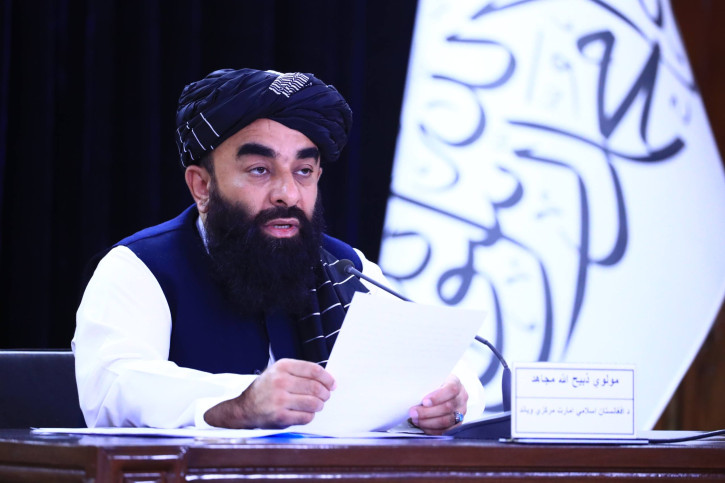
Within the framework of the “Government in the Mirror of the Press” program and on the occasion of the Health and Sports Week, during a press conference at the Government Media and Information Center (GMIC), Mawlawi Zabihullah Mujahid the spokesperson of the Islamic Emirate of Afghanistan (IEA) announced the major achievements of the Ministry of Public Health, Environmental Protection Authority, Kabul Municipality, and General Directorate of Physical Education and Sport. According to the information, during 1447 AH, extensive measures were undertaken in the fields of health, environmental protection and sports, focusing on infrastructure development, service delivery, capacity building, activity regulation and raising public awareness.
According to the Ministry of Public Health, during 1447 AH, significant steps were taken toward standardizing the health system and improving healthcare delivery. In this regard, the Ministry developed the health strategy, a five-year strategic plan and a new package of health services. It also prepared 332 guidelines, clinical protocols, legislative documents and standard operating procedures. In addition, to develop healthcare infrastructure, 60 construction projects were completed and made operational, comprising 24 district hospitals, 25 health centers, one emergency services unit, one cardiac surgery unit, four intensive care units, four hemodialysis units and one specialized pediatric treatment unit. Construction and rehabilitation work on 103 health centers and hospitals was launched across the country.
The 200-bed hospital for the diagnosis and treatment of cancer patients in Kabul also commenced operations, while cancer treatment units were activated at the regional hospitals in Balkh, Herat, Nangarhar and Kandahar.
Based on the statistics, healthcare facilities across the country provided citizens with 92.7 million outpatient services, over 2.1 million inpatient services, 228000 major surgeries, 384000 minor surgeries, 75000 hemodialysis and fistula services, over 8000 intensive care services and approximately 290000 ambulance services during the year. Furthermore, approximately 1.3 million deliveries took place at health facilities, while over 99000 cancer patients and over 50000 tuberculosis patients received treatment.
Thousands of patients suffering from malaria, leishmaniasis, and dengue fever were diagnosed and treated. over 2.1 million children under the age of five were enrolled in nutrition programs, while approximately two million mothers and children received fortified food products. In regulating medicines, food products and health-related products, the Ministry assessed over 109000 samples and issued over 58000 import permits. It also evaluated over 5000 types of medicines and carried out inspections of thousands of health and food facilities, companies and establishments.
As a result of these inspections, 1295 metric tons of illegal, expired and substandard medicines, health products and food items were destroyed. During 1447 AH, 350 MoUs were signed with domestic and international organizations and institutions.
According to the information, during 1447 AH, the Environmental Protection Authority assessed the environmental and social impacts of 1771 development, industrial and production activities and projects, along with issuing 1619 environmental activity permits. Over 25000 polluting activities in Kabul and the provinces were monitored and inspected. In addition, 7158 recommendations were issued to improve these activities and bring them in line with environmental standards. Around 16 million fruit-bearing and non-fruit-bearing trees were planted across the country. Also, 568 awareness-raising programs were held at universities, modern and religious schools across the country.
During 1447 AH, the major activities of the Authority included finalizing the draft law on the control and reduction of environmental pollution, preparing a draft environmental sustainable development policy, finalizing climate change strategy, and incorporating environmental and climate-change issues into 14 legislative and policy documents.
According to the information, during 1447 AH, Kabul Municipality collected 265496 kilograms of expired food products and low-quality detergents from different areas of Kabul city, and destroyed 185922 kilograms of expired food products. Furthermore, in the 22 districts of Kabul city, around 30000 different businesses were inspected for health and environmental safety standards, while over 97000 workers in different businesses received health and environmental training. Due to failure to comply with environmental requirements, 5562 businesses were closed.
Based on the information, during 1447 AH, the General Directorate of Physical Education and Sport held an average of 440 selection, commemorative and promotional competitions each month at the national and provincial levels. Five major leagues were organized, along with national selection competitions for four sports federations. Afghanistan hosted international competitions in two sports, badminton and traditional wrestling. Athletes from Uzbekistan, Syria, Iran, Kyrgyzstan, Tajikistan, Turkmenistan and Turkey participated in the competitions.
During 1447 AH, 240 Afghan athletes took part in 32 international sports competitions, where they won 62 medals, including 15 gold, 18 silver and 29 bronze medals.
Overall, these efforts demonstrate that in 1447 AH, the relevant institutions not only worked to expand healthcare and medical services but also gave priority to disease prevention, environmental protection, public awareness and the development of sports as key areas of social services.